Unlocking Your Yard's Full Potential: How Tree Removal and Trimming Are Essential for Property Health
Effective tree management is essential for optimizing yard space and maintaining property security. Neglected or deteriorating trees can lead to structural risks and reduce curb appeal. Regular trimming supports vigorous growth and reduces hazards, while clearing problematic trees creates new landscaping opportunities. Identifying indicators that trees need maintenance is critical. What essential signals should property owners be aware of, and how can they approach tree maintenance with confidence?
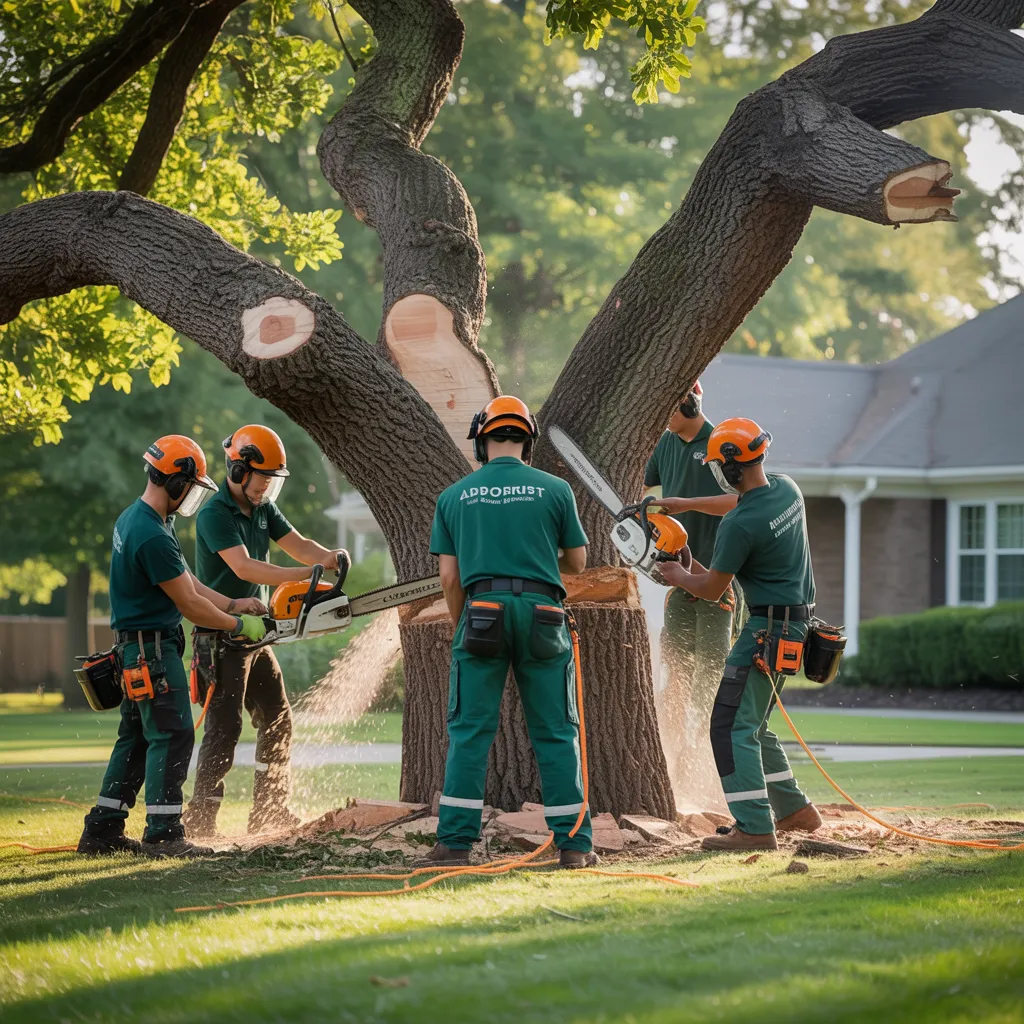
Identifying the Hazards of Overgrown Trees
Overgrown trees pose significant risks to both property and safety, as unmanaged growth can cause structural damage and heightened vulnerability in severe weather. Branches can extend into roofs, gutters, and power lines, leading to expensive repairs and possible hazards. When storms strike, these branches are prone to breaking, posing a serious risk to individuals and structures below.
Additionally, overgrown vegetation can obstruct clear views, presenting significant risks to drivers and pedestrians. Tree roots can also spread into foundations, walkways, and driveways, leading to uneven surfaces and compromised structural integrity. Furthermore, neglected trees can draw in pests and disease, that may migrate to neighboring plants and jeopardize landscaping results.
Failing to maintain trees properly can exacerbate these risks, resulting in more significant damage as time passes. As a result, understanding the dangers associated with overgrown trees is essential for property owners aiming to preserve safety and protect their investments.
The Importance of Regular Tree Trimming
Consistent tree trimming plays a crucial role in keeping trees healthy and safe, effectively mitigating the risks associated with overgrowth. By removing dead or diseased branches, trimming improves the overall strength of the tree, stimulating new growth and improved air circulation. This procedure not only aids in stopping the spread of pests and diseases but also reduces the risk of branches falling, which can pose safety hazards to people and property.
Furthermore, consistent trimming boosts the aesthetic quality of the landscape, helping trees preserve a beautiful shape. This can increase property value, making yards more inviting and enjoyable. Moreover, neatly trimmed trees can enable more sunlight to penetrate to the ground, encouraging the growth of healthy grass and plants below. All in all, incorporating regular tree trimming into yard maintenance can lead to healthier trees, a much safer surrounding, and a more visually appealing outdoor space.
How to Identify Warning Signs Your Trees Need Care
Trees can exhibit various indicators that indicate they are in need of professional care, such as lifeless or deteriorating branches that may threaten their structural integrity. Furthermore, the presence of fungal growth can signal underlying issues that demand immediate attention. Recognizing these indicators is vital for maintaining proper tree health and structural safety.
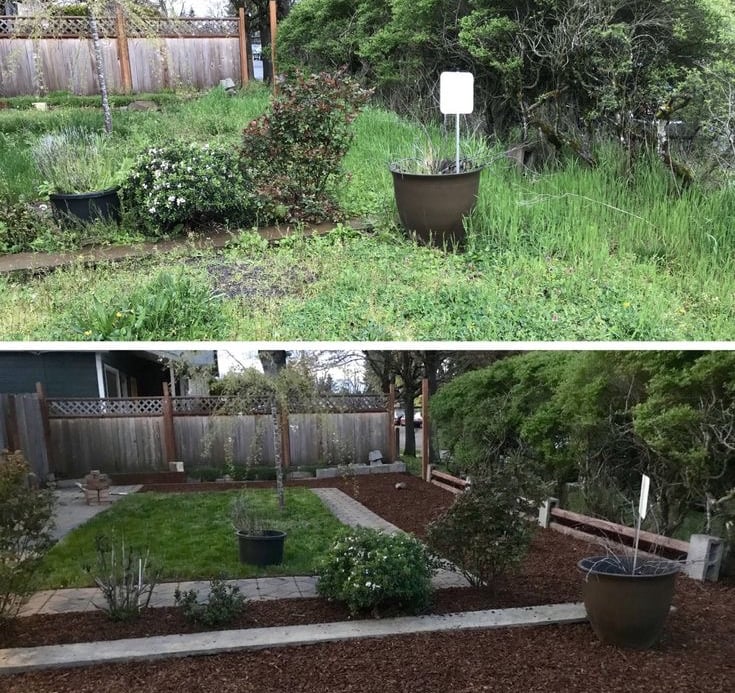
Dead Or Dying Branches
Numerous homeowners may overlook the subtle symptoms that suggest a tree is struggling, particularly when it comes to dead or dying branches. Such branches often have no foliage and look brittle or discolored. A more thorough inspection may expose peeling bark or cracks, indicating that the branch is compromised. Furthermore, an abundance of fallen branches around the base of the tree can signal that others are also failing. Trees with dead or dying branches may also exhibit signs of decay, such as a hollow resonance when tapped. Recognizing these indicators is important, as they can influence the overall health of the tree and surrounding yard. Swift action can prevent further damage and support a flourishing yard.
Fungal Presence Indicators
Evidence of fungal activity are commonly associated with the existence of dead or dying branches, indicating that a tree may require urgent care. Dark, discolored patches on the bark or fungal growths near the tree's base may indicate deeper problems. Furthermore, a chalky white coating may indicate powdery mildew, while dark spots may signal additional fungal diseases. Trees showing signs of wilting or untimely leaf loss are equally susceptible. Keeping a close eye on these symptoms is vital, as neglected fungal problems can deteriorate the tree's strength and overall health. Routine evaluations and prompt action can minimize additional harm, safeguarding the lasting health of the property's trees and plants. Property owners are encouraged to address these indicators for optimal lawn care.
How to Tell If Tree Removal Is Needed
When assessing whether tree removal is necessary, one must take several key factors into account. First, evaluating the condition of the tree is vital; indicators of deterioration, such as dead limbs or significant fungal growth, suggest that removal might be required. Furthermore, the tree's structural integrity should be examined; a leaning tree or one with a compromised trunk poses risks to surrounding property and safety.
Proximity to structures is another key consideration; trees growing too close to residences, power lines, or pathways can create hazards or cause damage when storms occur. Furthermore, if a tree is considerably obstructing sunlight to nearby plants or landscaping, removal might be justified. In addition, assessing the tree's total impact on the surrounding landscape is essential; should it diminish the yard's visual or practical value, removal may improve the property's overall appeal. Every one of these elements contributes meaningfully to the decision of whether tree removal is necessary.
How to Find the Best Tree Care Professionals
Identifying the top helpful resource tree care experts demands thorough evaluation, as selecting qualified experts can greatly impact the health and safety of trees. Those seeking services should first investigate nearby companies, giving preference to those with favorable feedback and client recommendations. Checking for proper certifications and insurance is essential, as this ensures that the experts follow established guidelines and maintain protection against unforeseen incidents.
In addition, obtaining a number of quotes can provide insight into the prevailing rates and make it easier to identify fair pricing. Direct consultations are valuable, enabling clients to evaluate the expertise and professionalism of the arborists. Posing targeted questions about their familiarity with related tree conditions can help establish their expertise.
Lastly, reputable tree care specialists regularly deliver detailed written estimates and transparent descriptions of the services provided. This level of clarity not only fosters trust but also ensures that clients remain thoroughly educated before reaching conclusions regarding their tree maintenance needs.
Tree Removal and Trimming Cost
The expense of tree removal and trimming is influenced by various factors, like tree size, location, and complexity of the job. Understanding these elements allows property owners to make educated financial decisions. Furthermore, investing in professional tree care can lead to long-term savings by reducing potential risks and maintenance problems.
Variables That Impact Costs
Various factors determine the financial aspects of tree care and maintenance, which makes it important for residents to understand these considerations. The size and height of the tree are primary considerations; bigger trees usually demand additional equipment and manpower. The tree's location is also an important factor; trees situated near power lines or structures introduce potential dangers, calling for expert approaches. In addition, the variety of tree affects the cost, as certain species present greater challenges. Accessibility is another vital factor; trees in hard-to-reach locations may incur higher costs due to the need for additional equipment. Lastly, local codes and permits can affect overall expenses, stressing the significance of thorough research before hiring a service. Being aware of these variables helps with accurate budgeting for ongoing tree management.
Long-Term Financial Savings Advantages
Budgeting for tree removal and trimming can provide substantial financial benefits for property owners. Well-cared-for trees reduce the risk of structural and landscape damage stemming from uprooted trees or falling branches during severe weather events. Taking this preventative measure reduces repair costs and potential insurance claims. In addition, healthy trees increase the value of your property by enhancing curb appeal, drawing interest from prospective buyers, and cultivating a more attractive and enjoyable outdoor area.
Consistent trimming supports stronger growth, lowering the chances of damaging pest infestations and diseases that may require costly treatments. Furthermore, well-placed trees can lower energy bills by providing shade in warmer months. Therefore, the initial costs associated with tree removal and trimming can be offset by long-term financial benefits, making it a wise investment for property owners.
Preserving Tree Health for Lasting Yard Beauty
Preserving tree health is essential for ensuring lasting yard attractiveness. Strong, thriving trees not only boost the visual appeal of a property but also support ecological balance and biodiversity. Routine evaluations can detect early indicators of disease, pest infestations, or structural vulnerabilities. Adopting proper cultural techniques, such as correct watering, mulching, and fertilization, supports vigorous growth and durability.
Pruning holds a key position in tree maintenance, enhancing both safety and appearance. Cutting away dead or overgrown branches enhances airflow and sunlight exposure, encouraging a stronger and healthier canopy. Furthermore, prompt action can help avoid potential dangers during storms.
In addition, a properly maintained tree canopy provides shade, decreasing energy costs for residents. By committing time and resources into tree health, property owners can develop a vibrant landscape that remains resilient through the seasons, ultimately increasing the overall value of their property. Emphasizing tree care guarantees that yards remain beautiful and functional for years to come.
Questions We Often Receive
How Often Should I Have My Trees Professionally Inspected?
Trees should be assessed by a certified arborist a minimum of one time per year, particularly for those over five years old or situated in metropolitan settings. Periodic inspections help identify possible dangers and confirm that all trees continue to be in good health and secure.
Is Tree Trimming Possible in Any Season?
Tree trimming can typically be done in any season; however, late winter and early spring are typically the best times. This timing promotes healthy growth and minimizes stress on the tree, guaranteeing optimal health and visual appeal.
What Tools Do You Need for DIY Tree Trimming?
To effectively trim trees, the necessary tools consist of a handsaw, loppers, pruning shears, and a chainsaw. Additionally, protective equipment such as a hard hat, gloves, and goggles plays a critical role in ensuring a safe trimming experience.
How Can Tree Roots Damage My Home's Foundation?
Tree roots can compromise a residential foundation by putting stress on it, causing fractures and damage to the structure. The expansion of roots may destabilize ground stability, causing uneven settling and potential drainage problems near the foundation.
Are There Any Local Regulations Regarding Tree Removal in My Area?
Restrictions governing tree removal change depending on the region, often requiring proper permits or following of particular regulations. Homeowners are advised to consult local governing bodies or municipal websites to learn about the rules controlling tree removal in their area.